Your views tanked overnight. Your latest video got a fraction of your usual engagement. Sound familiar? Welcome to the YouTube algorithm slump, where creators go to question their entire existence.
I've been there more times than I care to admit. One day you're riding high, the next you're wondering if YouTube secretly blacklisted your channel. But here's what I've learned after clawing my way out of multiple slumps: the algorithm didn't suddenly decide to hate you.
Why YouTube Algorithm Slumps Actually Happen
Real talk: most slumps aren't mysterious algorithm punishments. They're usually a perfect storm of factors that creators don't want to face.
Maybe your content got stale. Maybe you stopped optimizing properly. Or maybe (and this one stings) your audience simply moved on to something shinier.
I remember when my gaming channel hit a brutal three-month slump in 2024. Views dropped 70%. I was convinced YouTube was out to get me. Turns out I'd been phoning it in with repetitive content while my audience craved fresh takes on new releases.
The Brutal Truth About Algorithm Changes
Here's something nobody talks about: YouTube's algorithm changes constantly, but most updates are tiny tweaks, not massive overhauls. The platform processes billions of hours of content, so sudden drops usually point to internal issues, not external punishment.
Your slump might be:
- Decreased click-through rates on recent videos
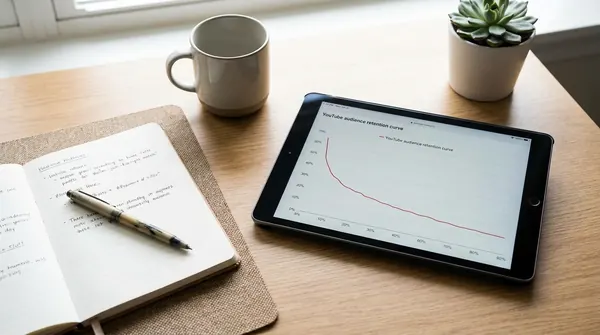
- Lower average view duration
- Reduced engagement (likes, comments, shares)
- Timing issues with your upload schedule
- Seasonal audience shifts
Look, I get it. Blaming the algorithm feels better than admitting our content might need work.
Stop Chasing Every Algorithm "Hack"
Every time YouTube sneezes, someone claims they've cracked the new algorithm code. Don't fall for it.
I wasted months in 2025 jumping between strategies: posting daily, then weekly, then at "optimal times" I found in some sketchy forum. Meanwhile, my actual content quality nose-dived because I was so focused on gaming the system.
The algorithm isn't a puzzle to solve. It's designed to surface content that keeps people watching. Make content people actually want to watch, and you'll recover faster than any hack could deliver.
What Actually Worked for My Recovery
After my worst slump, I stopped overthinking and went back to basics. Here's my honest breakdown of what moved the needle:
Content auditing saved my channel. I looked at my last 20 videos and found patterns. My best performers shared three traits: compelling thumbnails, strong hooks in the first 15 seconds, and topics my audience actually cared about.
Tools like Voclify helped me analyze what was working. Their Channel Brain feature trained on my channel data showed me blind spots I'd missed. It's not perfect for everything, but for understanding your content patterns, it's really solid.
I doubled down on audience retention. Instead of chasing new viewers, I focused on keeping my existing audience engaged longer. Better intros, clearer value propositions, and actually delivering on my video promises.
The 90-Day Recovery Plan That Actually Works
This isn't sexy advice, but it's what pulled me out of the hole:
Month 1: Diagnose ruthlessly. Check your Analytics with fresh eyes. Which videos underperformed? What changed in your content or schedule? I found my retention dropped because I'd gotten lazy with editing.
Month 2: Experiment deliberately. Test one variable at a time. New thumbnail style. Different video length. Fresh topic angles. I started making 8-minute videos instead of my usual 15-minute format and saw immediate improvement.
Month 3: Scale what works. Once you find something that clicks, lean into it hard. Don't get distracted by the next shiny strategy.
When to Actually Worry About Algorithm Changes
Sometimes slumps are bigger than individual channels. If YouTube rolls out major updates (like they did with Shorts integration or new monetization policies), industry-wide impacts are real.
But even then, adaptation beats complaining. When Shorts exploded, creators who embraced the format bounced back faster than those who resisted change.
Monitor industry news, but don't use algorithm updates as excuses. I've seen creators blame every dip on "algorithm changes" while ignoring obvious content quality issues.
The Mindset Shift That Changes Everything
Here's where it gets real: your slump might be protecting you from bigger problems.
My 2024 slump forced me to reconnect with my audience. I'd been creating content for the algorithm instead of for real people. The drop in views was painful, but it led to better content and stronger community engagement.
Now I treat slumps as course corrections, not disasters. They're opportunities to audit, improve, and come back stronger.
Quick Recovery Tactics That Actually Move the Needle
- Refresh your thumbnails: Sometimes a simple visual update can boost click-through rates immediately
- Collaborate strategically: Partner with creators in your niche to tap into fresh audiences
- Repurpose your best content: Update and reframe your top performers for current trends
- Engage authentically: Spend real time responding to comments and building community
- Optimize deliberately: Use tools like title generators to test different approaches
The truth? Most creators give up right before their recovery kicks in. Algorithm slumps test your commitment, but they're not death sentences.
Your channel isn't broken. The algorithm isn't out to get you. You just need to remember why people subscribed in the first place and get back to delivering that value consistently.
What's your biggest struggle during algorithm slumps? Drop a comment and let's figure this out together.
FAQ
How long does it take to recover from a YouTube algorithm slump?
Based on the recovery plan in this article, expect roughly 90 days to see real results, broken into three months of diagnosing, experimenting, and scaling what works. Most creators give up too early, which is why the timeline feels longer than it actually needs to be.
What actually causes a YouTube channel's views to drop suddenly?
Usually it comes down to a combination of things like decreased click-through rates, lower average view duration, reduced engagement, or even just seasonal audience shifts. The author saw a 70% drop on their gaming channel in 2024, and the culprit was repetitive content while the audience wanted fresh takes on new releases.
Does changing your video length help with an algorithm slump?
It can, and the author tested this directly by switching from 15-minute videos to 8-minute videos and saw immediate improvement. The key is testing one variable at a time so you can actually tell what moved the needle instead of guessing.

Get more of this in your Google results
Add voclify.io as a preferred source and Google shows you more of our articles in Search and AI Mode.