Look, I'm gonna be honest with you. For the longest time, I thought YouTube playlists were just this boring organizational tool that nobody really cared about. Boy, was I wrong.
After diving deep into my analytics and testing different playlist strategies over the past year, I discovered something that completely changed my approach to content. YouTube playlists aren't just folders for your videos - they're actually one of the most underrated tools for boosting both views and watch time.
Why YouTube Playlists Are Your Secret Weapon for Growth
Here's what I wish someone had told me when I started: playlists work because they tap into how people actually consume content on YouTube. When someone finishes watching one of your videos, YouTube's algorithm is looking for the next best thing to serve them. And guess what? If your video is part of a well-structured playlist, there's a much higher chance your next video will be that suggestion.
I've seen creators increase their average watch time per viewer by 40% just by organizing their content into strategic playlists. That's not just a nice-to-have number - that's the difference between a channel that struggles to grow and one that consistently gets recommended by the algorithm.
The Psychology Behind Playlist Binge-Watching
Think about how you watch Netflix. You don't just watch one random episode and call it a day, right? You get sucked into a series. YouTube playlists work the same way, but most creators completely miss this opportunity.
When I create a playlist now, I'm not just throwing related videos together. I'm crafting a journey. Each video should naturally lead to the next one, creating what I call "narrative momentum." People don't want to think about what to watch next - they want to keep going down the rabbit hole you've created for them.
Strategic Playlist Organization That Actually Works
Okay, real talk: most creators organize their playlists terribly. They'll have a playlist called "Gaming Videos" with 47 random videos from different games, different time periods, and completely different vibes. That's not a playlist - that's digital chaos.
Here's what I do instead:
- Story Arc Playlists: I arrange videos to tell a complete story or teach a skill from beginning to advanced
- Series-Based Collections: Each playlist focuses on one specific topic or game, with videos in chronological or difficulty order
- Emotional Journey Playlists: I group videos that create a specific mood or experience
- Problem-Solution Sequences: Videos that build on each other to solve increasingly complex problems
The key is being intentional about the order. I actually map out my playlists like TV show seasons now. What's the pilot episode that hooks people? What's the finale that makes them want more?
Playlist SEO: The Thing Nobody Talks About
Here's something wild that I discovered: playlists can rank in search results just like individual videos. But most people treat playlist titles and descriptions like an afterthought.
I started optimizing my playlist titles with keywords that people actually search for. Instead of "My Minecraft Videos," I created "Minecraft Survival Guide: Beginner to Expert." The difference in discoverability was massive.
Your playlist description is prime real estate for SEO. I include relevant keywords naturally, explain what viewers will learn or experience, and always include a clear value proposition. Tools like Voclify can help generate compelling descriptions that actually get found in search.
Cross-Promotion Through Smart Playlist Strategy
This is where playlist strategy gets really interesting. I don't just create playlists for my own content anymore. I curate playlists that include my videos alongside other creators' content in my niche.
Sounds counterintuitive, right? Why would I promote other people's videos? But here's the thing - it builds trust and authority. When someone discovers my "Ultimate YouTube Growth Playlist" and sees that I've included genuinely helpful content from other creators, they trust my judgment more. And guess what? They're more likely to subscribe and watch more of my content.
Plus, other creators sometimes return the favor by including my videos in their playlists. It's like a mutual recommendation system that benefits everyone.
Using Playlists to Revive Old Content
One of my favorite playlist strategies is what I call "content resurrection." I take older videos that aren't getting much traction anymore and group them into themed playlists with my newer, popular content.
Last month, I created a playlist combining my latest tutorial series with some older videos that covered related topics. Those old videos started getting views again because they were suddenly part of a binge-worthy sequence. It's like giving your back catalog a second chance at life.
The Technical Side: Playlist Settings That Matter
Alright, let's get into the nitty-gritty settings that most people ignore but actually make a huge difference:
- Set your playlist to public: I see creators with private playlists wondering why they're not getting views. Come on.
- Enable autoplay: This keeps viewers watching without having to click to the next video
- Order matters: Put your strongest hook video first, not your oldest or newest
- Regular updates: I add new relevant videos to existing playlists, which can trigger the algorithm to recommend the entire playlist again
Also, here's a pro tip: create multiple playlists around the same topic but with different angles. I have separate playlists for "YouTube Growth for Beginners" and "Advanced YouTube Strategies" even though there's some overlap in content. Different people search for different things.
Common Playlist Mistakes That Kill Watch Time
I've made every playlist mistake in the book, so let me save you some pain:
Don't create playlists that are too long. I used to think bigger was better, but 50-video playlists are overwhelming. Sweet spot is 8-15 videos for most topics.
Don't ignore the first video in your playlist. That's your hook. If it doesn't grab attention in the first 30 seconds, people won't continue to video two.
Don't forget to update playlist thumbnails. Yes, playlists have thumbnails too, and they show up in search results and suggestions.
Measuring Playlist Success Beyond Views
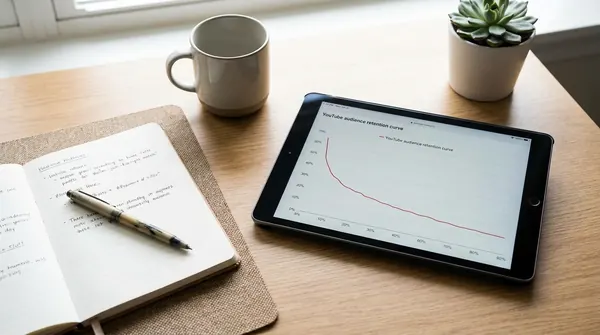
Views are nice, but they don't tell the whole story. What I really pay attention to is average view duration across the entire playlist. Are people watching multiple videos in sequence? That's the gold standard.
I also track which playlists are driving the most new subscribers. Sometimes a playlist with fewer total views actually converts better because it attracts more engaged viewers who are genuinely interested in that topic.
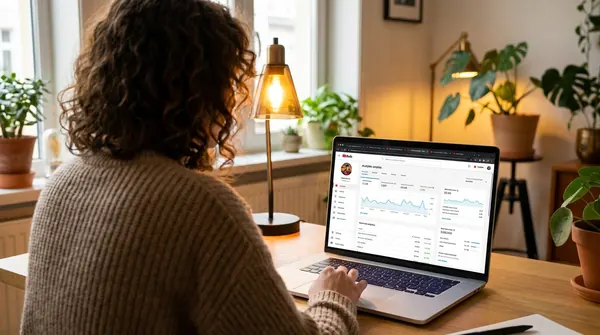
YouTube Analytics will show you how people are discovering your playlists - whether it's through search, suggestions, or direct links. This data helps me understand which playlist strategies are working and which ones need tweaking.
Key Takeaways for Playlist Success
Look, playlists aren't magic. But they're probably the most underutilized feature for growing watch time on YouTube. Here's what actually matters:
- Organize videos in logical sequences that create narrative momentum
- Optimize playlist titles and descriptions for search discovery
- Mix your content with other creators to build authority and trust
- Use playlists to give old content new life alongside fresh videos
- Focus on watch time across the entire playlist, not just individual video performance
- Keep playlists focused and digestible (8-15 videos is the sweet spot)
The creators who are crushing it right now aren't just making great individual videos - they're creating experiences. And playlists are how you turn casual viewers into dedicated fans who can't wait to see what you post next.
So stop treating playlists like an afterthought. Start thinking like a curator, not just a creator. Your watch time (and your subscribers) will thank you for it.
FAQ
how many videos should I put in a YouTube playlist?
The sweet spot is somewhere between 8 and 15 videos for most topics. Playlists with 50 videos tend to feel overwhelming to viewers and can actually hurt your watch time instead of helping it.
can YouTube playlists actually help my videos get more views?
Yes, and the impact can be pretty significant. Some creators have increased their average watch time per viewer by 40 percent just by organizing content into strategic playlists, which also improves how often the algorithm recommends their videos.
should I include other creators' videos in my playlists?
The article actually recommends it as a trust-building strategy. When viewers see you curating genuinely helpful content from other creators (not just your own stuff), they trust your judgment more and are more likely to subscribe, and other creators sometimes add your videos to their playlists in return.

Get more of this in your Google results
Add voclify.io as a preferred source and Google shows you more of our articles in Search and AI Mode.