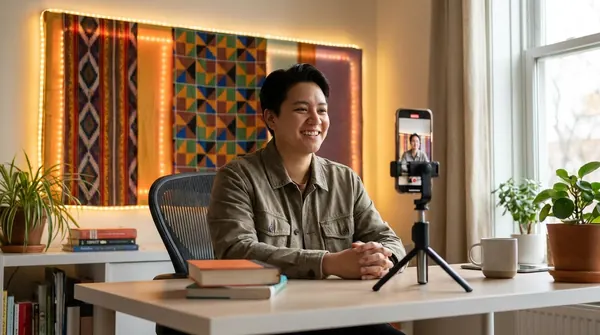
Look, I'm going to be real with you. YouTube Shorts in October 2026 isn't the same game it was even a year ago. The algorithm has gotten pickier, the competition is brutal, and honestly? Most creators are still doing it completely wrong.
But here's what I've learned after helping hundreds of creators crack the Shorts code: the fundamentals that actually work haven't disappeared. They've just gotten more important.
Why YouTube Shorts Strategy Matters More Than Ever
YouTube has reported well over 70 billion daily Shorts views globally, and that number has kept climbing since the figure first went public. Mobile-first, bite-sized content isn't a trend anymore. It's where a huge share of viewing happens, and Shorts is where that audience lives.
I've watched creators go from 200 subscribers to 200K in six months using these exact strategies. But I've also seen people burn out trying to pump out 10 Shorts a day with zero strategy behind them.
The difference? Knowing which tactics actually move the needle.
And here's something most people still haven't wrapped their heads around: YouTube Shorts isn't just "mini TikTok" anymore. That mindset will kill your channel faster than uploading a three-hour unedited gaming session. The platform has leaned hard into educational and edutainment content, and creators who pivot from pure entertainment to that hybrid format are seeing the biggest subscriber jumps. That trend has only strengthened as of fall 2026.
Hook Your Audience in the First 2 Seconds (Not 3, Not 5)
This sounds obvious, but most creators mess this up badly. Your hook isn't just the first thing you say. It's everything that happens in those crucial opening moments.
I'm talking about your visual, your audio, your text overlay, even your facial expression. Everything needs to scream "STOP SCROLLING" immediately.
Here's my go-to formula: start with a bold statement, controversial opinion, or intriguing question. Then immediately deliver on that promise. No fluff, no "hey guys" intros. Jump straight into value.
And don't overlook your thumbnail. Shorts have thumbnails, and they matter more now than they used to, especially since people land on your Shorts from channel pages, search results, and the Shorts shelf on the homepage, not just the swipe feed. A weak thumbnail promise like "How I gained 50K subscribers" gets scrolled past. Something specific and curiosity-driven hits completely different. Your thumbnail is part of the hook before anyone even presses play.
One more thing that works: start your Short with the payoff, then explain how you got there. People's attention spans aren't getting longer, they're getting more selective.
Pro tip: Test your hooks by watching your analytics. YouTube now shows a "viewed vs. swiped away" split for Shorts, and that number is the clearest read on your hook. If a big chunk of people are swiping away in the first few seconds, your hook needs work. Period.
Master the Art of the Cliffhanger Mid-Roll
Okay, this is where most people think they know what they're doing, but they really don't. It's not enough to just say "wait for it" or "but here's the crazy part."
The best Shorts creators layer multiple mini-cliffhangers throughout their content. At 15 seconds, at 30 seconds, even at 45 seconds. You're constantly giving viewers a reason to stick around for the next reveal.
I learned this from studying reaction and countdown-style creators who understand anticipation better than anyone. They build excitement in waves, and viewers stick around because the next reveal always feels one second away.
Timing Is Everything: When to Post Your Shorts
Real talk: there's no universal "best time" anymore. The algorithm is too smart for that. But there are patterns you can exploit.
I've found that posting when your target audience is most likely to be mindlessly scrolling works best. That's usually during commutes, lunch breaks, and that weird 9 to 11 PM window when people are winding down.
But here's the kicker: consistency matters more than timing. Pick 2 to 3 time slots and stick to them religiously. The algorithm rewards predictable creators.
Tools like Voclify can help you analyze your audience's activity patterns, but sometimes you just need to test and see what works for your specific niche. You can also explore the Voclify tools page for scheduling and analytics features that make this testing process a lot less painful.
The 60-Second Sweet Spot Strategy
Everyone thinks shorter is always better with Shorts. That's not true anymore. This changed recently: YouTube now allows Shorts up to 3 minutes, and the algorithm leans toward content that keeps people on the platform longer, with total watch time and completion both in play.
I've seen 45 to 60 second Shorts outperform 15-second ones consistently, but only if they're structured right. You need to pack multiple value points into that longer format. Going past a minute only makes sense if every few seconds earns the next few seconds.
Think of it like this: your Short should feel like a mini-documentary, not a random clip. Beginning, middle, end. Setup, payoff, call-to-action.
Use Trending Audio, But Do It Smart
Using trending sounds is still useful, but here's where most people go wrong: they just slap trending audio onto random content and hope for the best.
The trick is finding trending audio that actually fits your message. If you're a fitness creator, don't use that viral comedy sound just because it's popular. Find trending audio in the fitness or motivation space.
And please, make sure your audio levels are balanced. Nothing kills a Short faster than blown-out audio or music that drowns out your voice.
Audio Is a Bigger Weapon Than You Think
Everyone's obsessed with visuals, but strategic sound design separates good Shorts from great ones. I'm not just talking about background music. I mean intentional audio storytelling.
Use sound effects to emphasize points. Create audio cues that become your signature. That little "ding" when you reveal something important? That's not by accident. It's a trained response you're building in your audience.
Here's a practical tip that makes a real difference: record your voiceover separately from your video footage. It sounds cleaner, and you can control the pacing without relying on jump cuts. Creators who record everything live often sound amateur compared to those who take this extra step. This matters even more now that Shorts viewers have gotten more discerning about production quality.
The Power of Series Content
This is my secret weapon, and I'm surprised more creators aren't doing this. Turn your Shorts into a series.
"Day 1 of trying weird food combinations." "Part 3 of building my dream setup." "Episode 7 of rating viewer outfits."
Series content creates anticipation and gives viewers a reason to follow you. Plus, it makes content planning way easier because you're not starting from scratch every day.
Think about it this way: Netflix doesn't drop random movies hoping one goes viral. They create shows that make you want to watch the next episode. The same principle applies here. People come back looking for the next episode, which tells YouTube your content has staying power.
I've used this strategy to help creators build massive followings by creating addictive, binge-worthy content that keeps people coming back. If you want to see how to plan series content efficiently, check out some of the creator strategy posts on the Voclify blog for more on building content systems.
Cross-Pollinate With Long-Form Content
Here's what the smart creators figured out: Shorts aren't supposed to replace your long-form content. They're supposed to feed into it.
Every Short should either be a teaser for a longer video or a condensed version of value from your main content. This creates a content ecosystem where each format supports the other.
The top creators use Shorts to preview upcoming videos or highlight the best moments from recent uploads. YouTube also lets you link a Short directly to a related long-form video, which makes the handoff from a casual Short viewer to a long-form subscriber a lot smoother. Use it.
Common YouTube Shorts Mistakes That Kill Growth
Let me save you some time by calling out the biggest mistakes I see:
- Posting randomly: No schedule, no strategy, just throwing content at the wall
- Ignoring analytics: Your retention graph tells a story. Learn to read it
- Copying exactly what others do: Inspiration is good, carbon copying is death
- Focusing only on views: Engagement rate and subscribers gained per Short matter more than raw view count
- Forgetting the call-to-action: Always end with a reason for people to engage
- Treating every Short as standalone content: Random one-offs rarely build lasting audiences. Series and ecosystems do
YouTube Shorts heading into the end of 2026 is still one of the fastest ways to grow your channel if you do it right. But "doing it right" means being strategic, consistent, and patient with the process.
The creators who are winning aren't necessarily the most talented or the most creative. They're the ones who understand the game and play it consistently. That's the difference between viral moments and sustainable growth.
Want to level up your Shorts game even faster? Try Voclify's AI tools to brainstorm killer titles and scripts. It's not perfect for everything, but for ideation and structure, it's pretty solid.
Now stop reading and start creating. Your next viral Short is waiting.
FAQ
How long should YouTube Shorts be in 2026?
Shorts can now run up to 3 minutes, but the sweet spot for most creators is 45 to 60 seconds. Those tend to outperform 15-second clips as long as they have a clear setup, payoff, and ending. Only go longer if every few seconds gives viewers a reason to keep watching.
When is the best time to post YouTube Shorts?
There's no single best time that works for everyone. Commute hours, lunch breaks, and the 9 to 11 PM window are strong starting points for most audiences. What matters more is consistency: pick 2 to 3 time slots, stick to them, and check your own analytics to see when your viewers are actually active.
How do I know if my Short's hook is working?
Check the "viewed vs. swiped away" number in YouTube Studio's Shorts analytics, along with your retention graph for the first 3 seconds. If a large share of viewers are swiping away right at the start, rework the hook. A strong one combines your visual, audio, text overlay, and expression all at once, instead of relying on just one of them.

Get more of this in your Google results
Add voclify.io as a preferred source and Google shows you more of our articles in Search and AI Mode.