Here's a dirty secret most YouTube advice ignores: having a content backlog is supposed to reduce stress, but for a lot of creators it actually creates more of it. You batch record a bunch of videos, feel amazing for a week, then spiral into guilt when the backlog runs dry and you're back to scrambling.
Sound familiar? Yeah. The backlog itself isn't the problem. The relationship you have with it is.
So let's talk about how to actually build and maintain a content backlog that keeps your channel alive without turning you into a content-producing machine who hates what they do.
Why Most Backlogs Collapse Within 6 Weeks
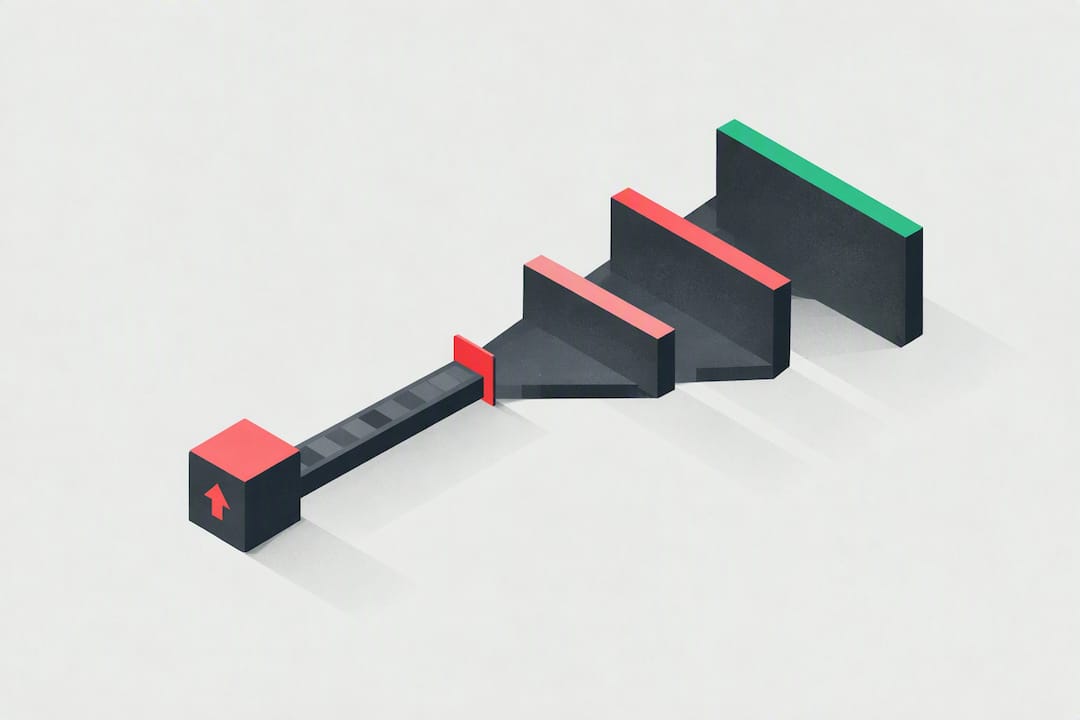
The classic mistake is treating a content backlog like a savings account you only ever withdraw from. You batch 10 videos in a weekend, feel like a genius, then... stop depositing. Six weeks later the account is empty and you're panicking.
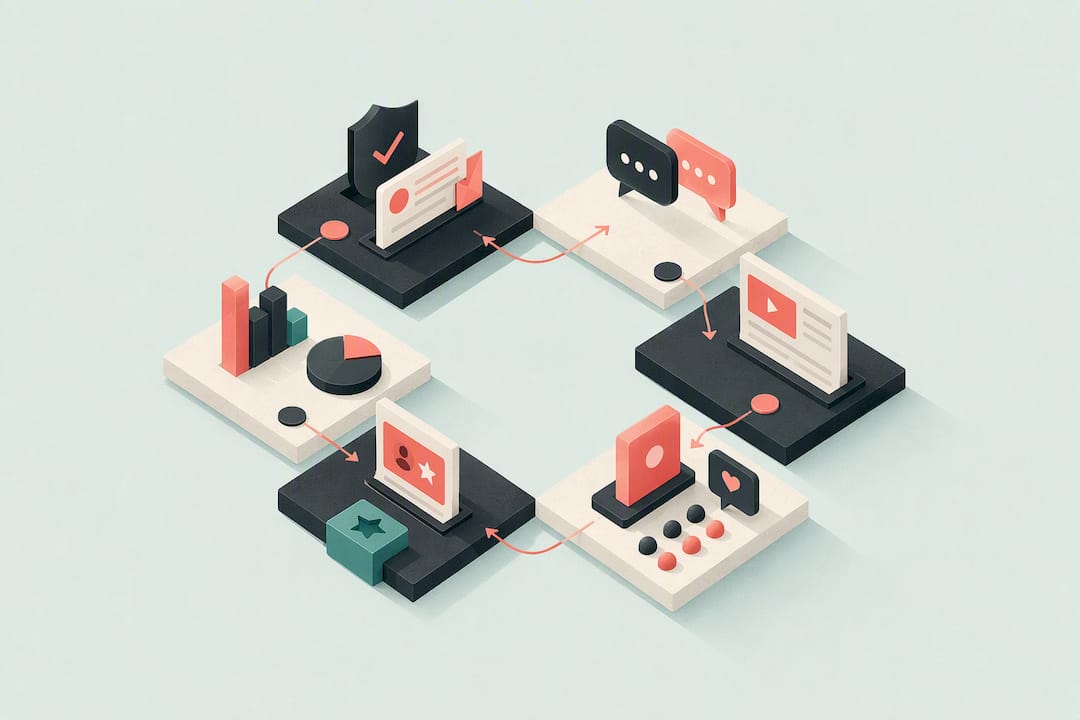
The thing is, a backlog is a living system, not a one-time project. The creators who sustain them treat backlog building as a recurring habit, not a heroic sprint they do once every few months when anxiety hits.
There's also a sneaky burnout trap that nobody warns you about: the moment your backlog gets large, it starts feeling like debt. Every video you haven't published feels like something you "owe" your audience. And that weight is real. I've talked to creators who had 20 finished videos sitting on their hard drive and felt more stressed than when they had zero.
The fix isn't a better storage system. It's changing how you think about what a backlog is actually for. It's a buffer against chaos, not a content warehouse you're obligated to empty. Keep it at a healthy size (think 3 to 6 videos ahead, depending on your upload schedule) and resist the urge to hoard 30 videos "just in case." That number becomes a psychological anchor.
Also worth saying: if your ideas are going stale in the backlog, that's a signal your topics are too trend-dependent. Build around evergreen content pillars and the shelf life problem mostly disappears.
Building Content Pillars Before You Touch a Camera
Before you record a single thing, you need structure. Not a rigid editorial calendar that makes you feel like you're filing taxes every week, but a loose framework of what your channel is actually about.
Content pillars are basically your core topic buckets. A personal finance channel might have three: budgeting basics, investing for beginners, and money mindset. A gaming channel might have gameplay, commentary, and tutorials. The point is that every idea you generate should fit somewhere, and if it doesn't, you need to seriously think about whether it belongs on your channel at all.
Why does this matter for your backlog? Because when you sit down to generate ideas, you're not staring at a blank page wondering what to make. You're filling buckets. "Okay, I need two budgeting videos, one investing video, and one mindset piece this month." Suddenly the ideation session takes 20 minutes instead of two hours of existential dread.
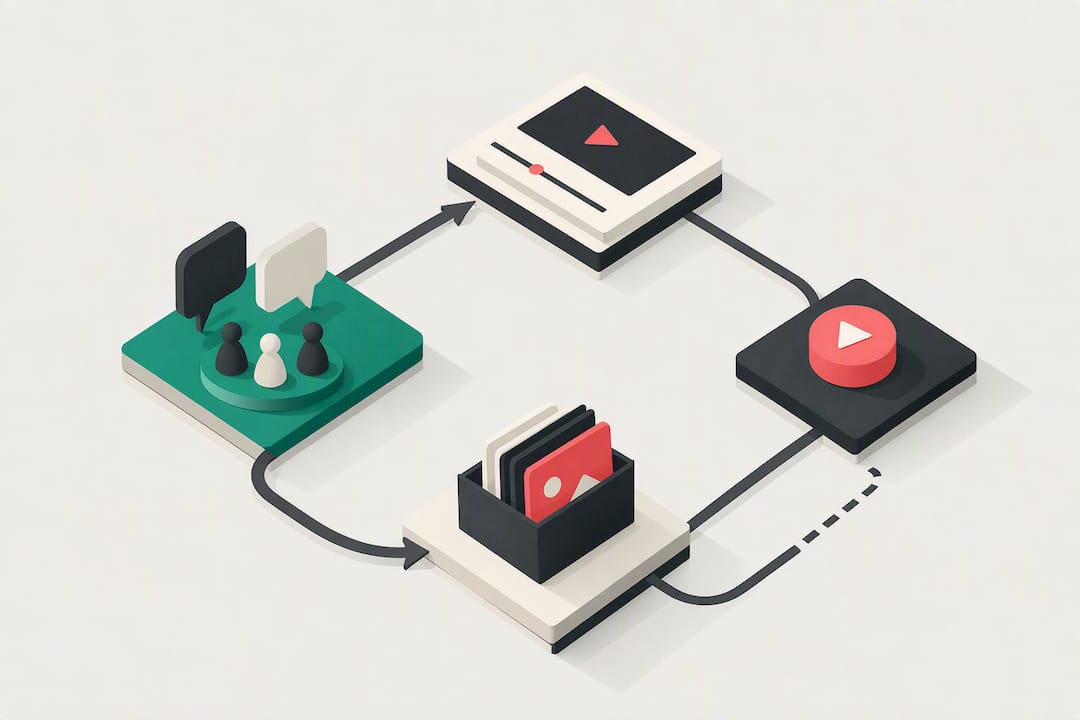
This also ties directly into viewer behavior. When your content has a recognizable structure, people binge. They watch the budgeting video, then immediately click the next one. A backlog built around pillars doesn't just reduce your stress, it actively helps your algorithm performance because watch time compounds across a coherent library.
Tools like Voclify's script generator can help you flesh out ideas within your pillars quickly once you've got the framework set, which speeds up the production side considerably. Not perfect for every type of content, but for structured how-to or educational videos it's genuinely useful.

The Sustainable Idea Capture System
Real talk: most creator burnout doesn't happen in the editing room. It happens in the ideation phase, specifically in those panicked Sunday nights when you have nothing queued and you're trying to generate a great idea from scratch under pressure.
The solution is embarrassingly simple and almost nobody does it consistently: capture ideas the moment they happen, not when you need them.
Keep a running idea list somewhere frictionless. A notes app on your phone works. A voice memo. A Notion page if you like feeling productive. The format doesn't matter. What matters is that you're constantly feeding the top of the funnel so when it's time to actually plan videos, you're sorting through options rather than begging your brain to perform on demand.
Here's the system I've seen work repeatedly for creators who stay consistent for years:
- Capture any idea immediately, no filtering, no judging
- Once a week, spend 15 minutes reviewing the list and starring the good ones
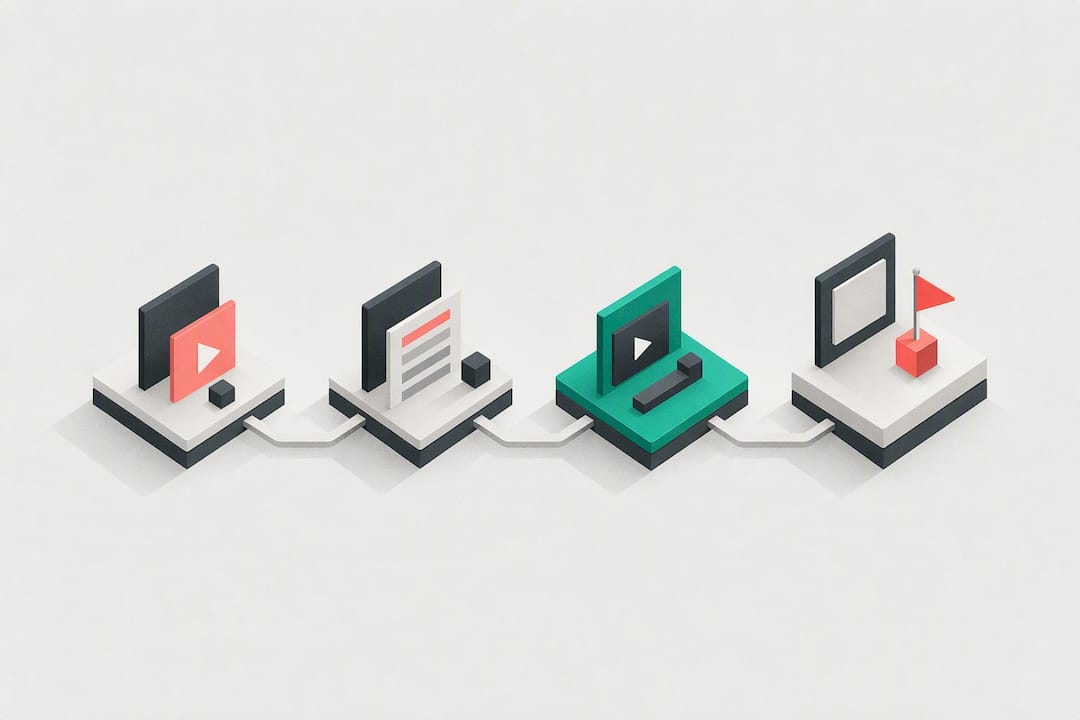
- Once a month, turn the starred ideas into actual video outlines
- Only then do you decide what gets recorded next
The weekly review cadence matters. Research from creator consistency studies suggests reviewing your content plan every one to two weeks is enough to stay ahead without turning planning into a second job. More than that and it starts feeling like admin hell. Less than that and you lose the thread.
One more thing: don't delete bad ideas. Archive them. What felt like a dud six months ago might be exactly right when your channel has grown into a different audience.
How to Batch Record Without Destroying Your Energy
Batching is genuinely one of the best tools available for building a backlog, but most people do it wrong. They block a whole Saturday, record six videos, hate themselves by video four, and wonder why it doesn't feel sustainable.
Here's what actually works: smaller, more frequent batches rather than massive production marathons.
Recording two or three videos in a sitting is manageable. Your energy stays up, your delivery is consistent across all of them, and you don't end the session feeling like you need a week off. Do that twice a month and you're staying three to six videos ahead with relatively low effort per session.
If you do want to do longer batch days, break them into production phases, not just "record until done". Record all your intros in one stretch. Take a break. Record the main content for each video. Lunch break. Do your outros. This assembly-line approach is how some of the most prolific channels actually operate, and it's a lot less draining than trying to mentally complete each video from start to finish before moving on.
Also, keep your setups consistent. If you're rearranging lighting and changing shirts between every video, you're burning energy on logistics instead of content. Pick a look, stick with it, and use that saved mental bandwidth for the actual ideas.
And for faceless or heavily scripted channels, tools like Voclify's voiceover tool and Scene Studio can meaningfully compress the post-recording production time, which matters a lot when you're trying to keep a backlog flowing without hiring a team.

The "Publish Slowly" Mindset That Actually Protects Your Backlog
This one sounds counterintuitive. You've built a backlog. Why wouldn't you just publish everything?
Because burning through your buffer in two weeks leaves you right back where you started, except now you have no safety net and the pressure feels even higher because your audience has grown.
A backlog is most valuable when you treat it like an emergency fund, something you maintain at a steady level rather than blow through the moment you have it. The goal isn't to get to zero. It's to stay at a comfortable buffer while continuously adding to it.
On the publishing side, resist the temptation to dump content when you're in a productive phase. Upload at your normal cadence even if you have eight videos ready. Your audience isn't going anywhere, and spacing your content out gives each video room to breathe and accumulate views before the next one pushes it down the feed.
There's also an algorithmic argument for this. Publishing too many videos in a short burst can split your own audience's attention and cannibalize performance across your videos. Steady spacing tends to serve individual video performance better than flooding your own channel.
If you're managing a faceless channel and want a real framework for scaling this sustainably as an actual business rather than just a content habit, the YouTube Faceless Operator Program gets into the operational side of this in a lot of depth. It's 1-on-1 coaching built around faceless long-form, so it's specific rather than generic.
Protecting Your Creative Energy Long Term
Okay, let's get honest about the burnout side of this for a second. Because no backlog system in the world will save you if you're running on empty creatively.
The biggest creativity killer I've seen in the creator space isn't overwork. It's under-inputting. Creators who only consume content in their own niche, who never read, watch, or experience things outside their lane, eventually run out of fresh angles. Everything starts feeling like a recycled version of something they've already made.
Protect your creative energy by actively consuming things that have nothing to do with YouTube. Books, documentaries, conversations with people outside the creator world. The best ideas usually come from connecting dots across unrelated domains, not from watching what your competitors are doing and trying to outdo them.
Also: give yourself actual days off. This sounds obvious but it's genuinely radical in creator culture where "consistency" gets weaponized into "never stop." A two-day weekend where you don't think about your channel isn't falling behind. It's an investment in the 50 videos you'll make after it.
Set a weekly or bi-weekly review time to check your backlog status, your idea list, and what's coming up for production. Keep that review short (30 minutes max) and use it to decide what needs attention. Everything else can wait until you're in a designated production window.
And if you ever catch yourself making content you genuinely don't care about just to fill the backlog, stop. A video made from obligation almost always performs worse than one made with actual curiosity behind it. Viewers feel the difference even if they can't name it.
Key Takeaways
- Keep your backlog at 3 to 6 videos, not 20+. A massive buffer creates psychological debt, not freedom
- Build your content around 2 to 4 core pillars so ideation has structure instead of starting from a blank page every time
- Capture ideas constantly, review them weekly, outline them monthly. That three-step rhythm keeps the top of the funnel full
- Batch in small sessions (2 to 3 videos) rather than exhausting full-day marathons when possible
- Publish at a steady cadence even when you have a big backlog. Draining it fast helps no one
- Protect creative energy by consuming things outside your niche and actually taking days off
- Tools like Voclify can speed up scripting, voiceover, and production, which helps backlogs stay topped up without doubling your working hours
A sustainable backlog isn't a destination you arrive at once. It's a rhythm you build and protect over time. Get the rhythm right and consistency stops feeling like a grind.
FAQ
How many videos should I have in my YouTube content backlog?
Most creators do well with 3 to 6 videos in reserve. That's enough to cover a few weeks of disruption (illness, travel, a bad week) without creating so much buffer that the backlog starts feeling like a pile of obligations. Once you're consistently at 4 or more, focus on maintaining that level rather than building further.
How do I build a backlog without burning out from recording too much at once?
Batch in smaller sessions of 2 to 3 videos rather than trying to record 8 in a weekend. Even if you batch twice a month, you'll add 4 to 6 videos to your backlog monthly, which is more than enough for a weekly upload schedule. The key is making it a regular habit, not a quarterly panic sprint.
What do I do when my content backlog ideas feel stale or outdated?
This usually means you're relying too heavily on trend-based topics. Shift at least 70% of your backlog toward evergreen content within your core pillars, topics that are just as relevant in 6 months as they are today. If a specific video idea has a hard expiry date, prioritize publishing it sooner rather than letting it sit.

Get more of this in your Google results
Add voclify.io as a preferred source and Google shows you more of our articles in Search and AI Mode.