Most YouTube channels die in silence. Not because the creator lacked talent or even ideas. They die because uploads became random, momentum vanished, and eventually life got in the way. A YouTube content calendar is the single most unsexy thing that separates growing channels from ghost towns.
I know, I know. Planning isn't fun. Filming is fun. Editing is fun. Watching your view count tick up is fun. But hear me out, because the channels I've watched blow up over the past couple of years almost all had one thing in common: they weren't winging it.
Why a YouTube Content Calendar Changes Everything
Here's the thing about consistency on YouTube. The algorithm isn't just looking at individual videos. It's looking at patterns. When you upload on a predictable cadence, your subscribers start to expect you. And when viewers expect you, they come back. When they come back, watch time climbs. When watch time climbs, the algorithm pushes your stuff further.
It's a flywheel. And the content calendar is what keeps it spinning.
Without one, you're making reactive decisions. You film something when inspiration strikes, then scramble to edit it, then stress-publish it at 11pm on a Tuesday. Sound familiar? That's not a content strategy. That's chaos with a camera.
How Far Ahead Should You Actually Plan?
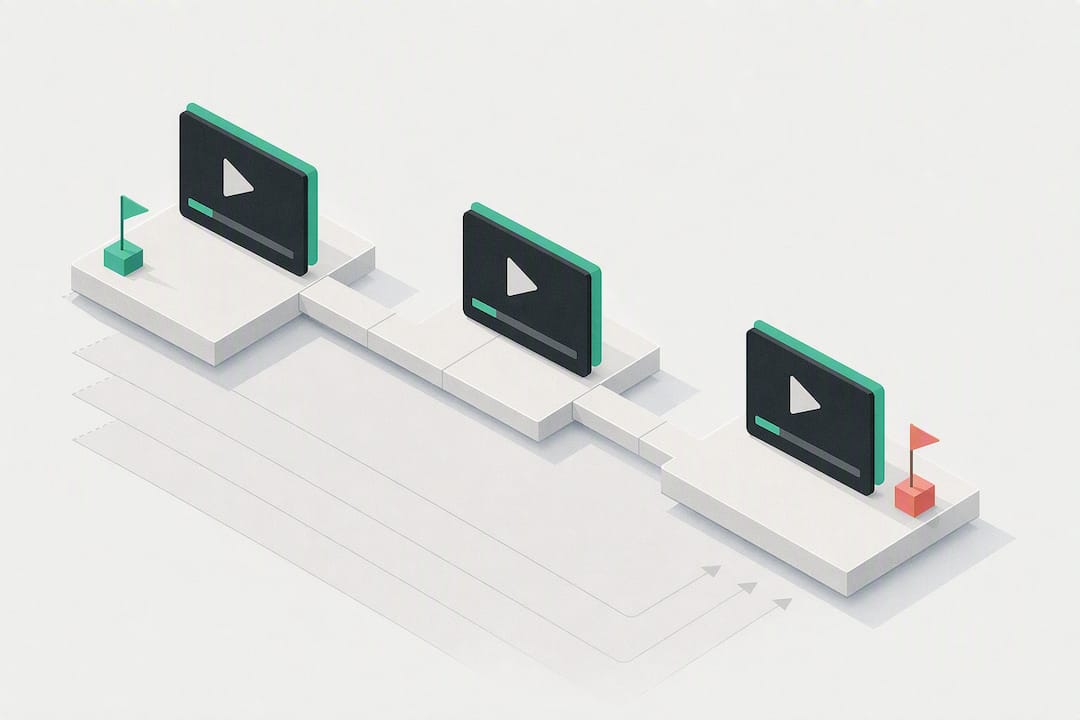
This is where people overcomplicate things. You don't need a 12-month roadmap. Honestly, a 3-month rolling calendar is the sweet spot for most creators. It's far enough out that you're not panicking week to week, but close enough that you're still reacting to trends and what your audience is actually responding to.
I've seen creators build 6-month calendars and then completely ignore them by month two because something shifted in their niche. Don't do that. Plan 3 months ahead, review every 4 weeks, and adjust as you go.
Start With Content Pillars, Not Individual Video Ideas
This is the part most people skip, and it costs them. Before you start filling in dates on a calendar, you need to decide what your channel is actually about at a structural level.
Think of 3 to 5 "pillars" that your channel lives inside. If you run a personal finance channel, your pillars might be budgeting basics, investing for beginners, and side income ideas. Every video you make should live in one of those buckets.
Why does this matter for your calendar? Because it prevents you from publishing random stuff that confuses your audience. And it naturally creates series, which encourages binge-watching. People who binge-watch your channel are far more likely to subscribe than someone who watches one random video.
One thing worth being deliberate about here: your pillars should solve specific problems for your audience, not just cover topics you personally find interesting. There's a difference between making content you'd want to watch and making content your audience actually needs. The best channels do both, but if you have to prioritize one, let your audience's needs lead.
Tools like Voclify's script generator can actually help you develop video ideas around your pillars once you've defined them. It's not perfect for every niche, but for brainstorming within a defined topic area, it saves a lot of time.
How Often Should You Actually Upload?
Real talk: one video per week is probably the best starting point for most creators. It's consistent enough to build real momentum without destroying your quality or your sanity. If that genuinely isn't realistic for your situation, two to four videos per month still works. What doesn't work is uploading four videos one week and then disappearing for a month.
Consistency beats frequency every single time. I'd rather watch a channel that posts every two weeks like clockwork than a channel that floods my feed for three weeks and then ghosts me.
When you're building your calendar, be honest with yourself about your actual capacity. Account for the research, the scripting, the filming, the editing, the thumbnail, and the upload. If you're doing all of that solo, one video per week might already be pushing it depending on your format.
The 70-20-10 Content Mix
Once you know your pillars and your upload cadence, you still need to decide what kind of content fills those slots. This is where a lot of creators either play it too safe or go too experimental, and both extremes stall growth.
A split that works well in practice: roughly 70% of your videos should be proven content, meaning topics similar to your best performers that you know your audience wants. About 20% can be adjacent or trending content, current topics in your niche that expand your reach. The remaining 10% is where you experiment with new formats or ideas that are completely outside your usual lane.
That 70% is your foundation. It keeps the algorithm happy and gives your subscribers what they came for. The 20% keeps you discoverable. The 10% is where breakout moments sometimes happen, but you have to earn it. If your channel is still finding its footing, lean closer to 80% proven content until you've built enough momentum to absorb the risk of experiments that don't land.
Seasonal Content: Plan Further Ahead Than You Think
YouTube's algorithm rewards timely content, but most creators are terrible at actually planning for it. They're scrambling to make Valentine's Day videos on February 13th instead of having them ready in January.
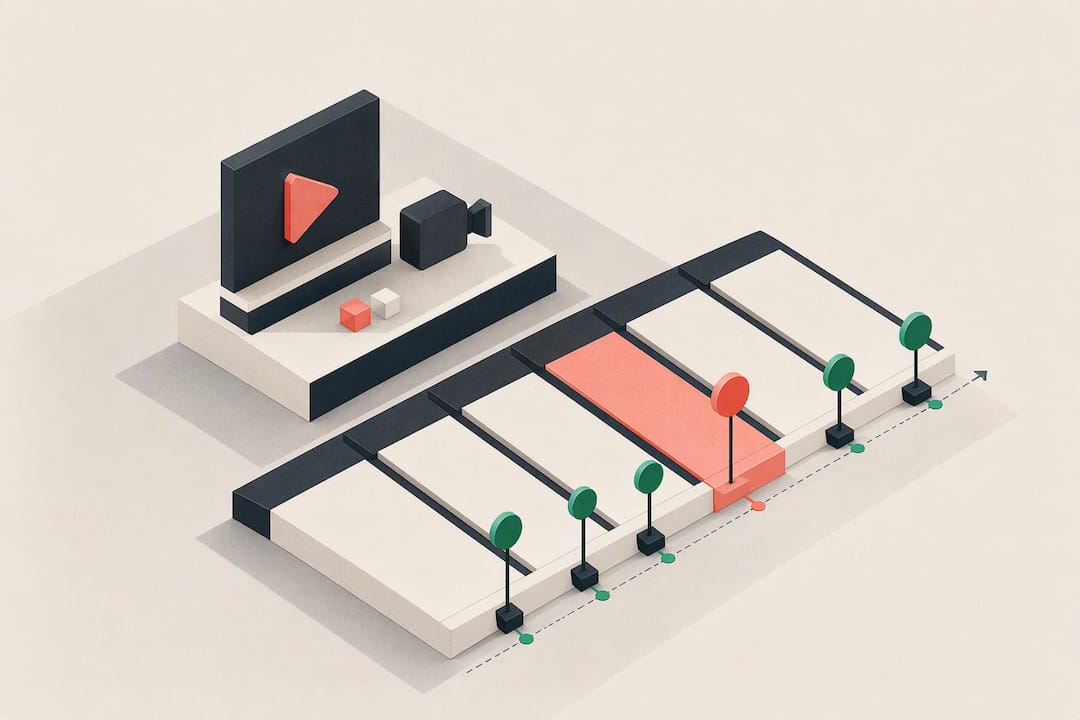
When you're building your calendar, mark the seasonal moments relevant to your niche first, before anything else. Holiday content, annual events, recurring trends in your space. These slots should be locked in at least 6 to 8 weeks before the moment arrives, because that's how long it can take for a video to build search momentum before the peak hits.
The practical move: at the start of each quarter, look at what seasonal or timely opportunities exist in the next 90 days and block those dates first. Then fill in the rest of your regular content around them.
Batch Your Planning (and Your Filming)
Planning one video at a time is exhausting and inefficient. The better approach is to sit down once a month and map out the next 4 to 6 weeks of content in a single session. It sounds like more work upfront, but it's dramatically less mental overhead overall.
During those planning sessions, look for natural content clusters. If you're covering one big topic, what related angles can you pull from the same research? One deep dive often contains two or three video ideas if you look for them. Spotting those clusters also helps you see gaps in your calendar before they become a Sunday-night panic.
The same logic applies to filming. Batching production, shooting multiple videos in one session when the setup is already there, is one of the most effective ways to stay ahead of your schedule without burning out.
Building the Actual Calendar: The Practical Bit
Okay, let's get specific. Here's how I'd actually build this thing from scratch.
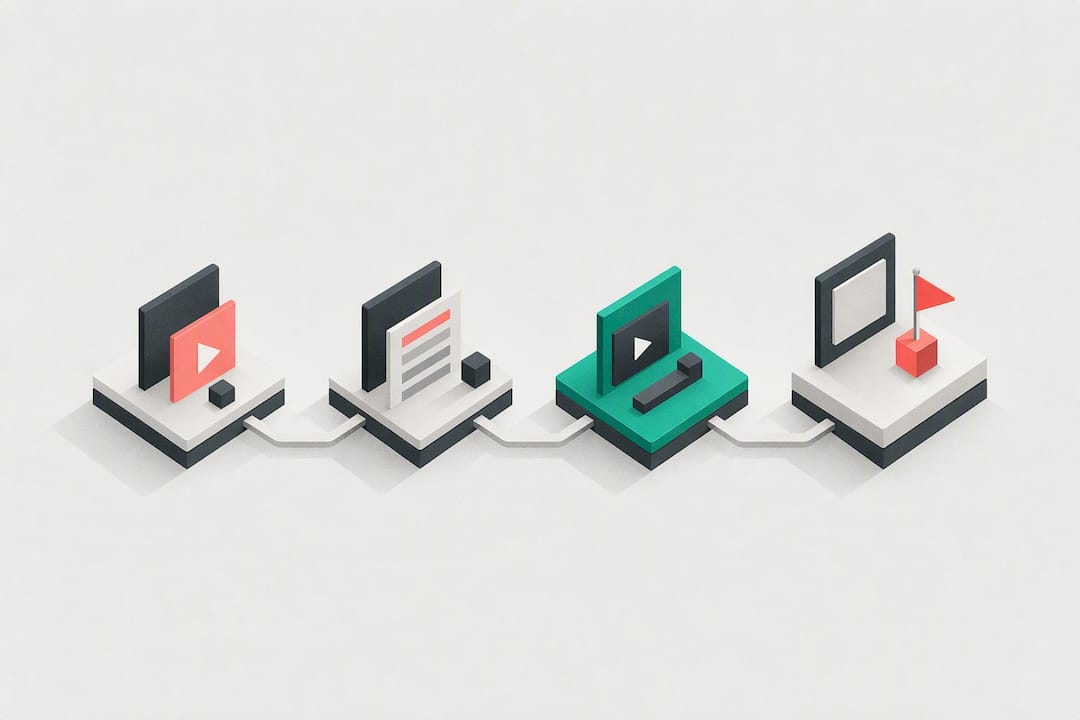
Step one: Pick your upload days. One or two specific days per week. That's it. Lock them in. Treat them like dentist appointments you can't cancel.
Step two: Map out your content pillars and assign rough ratios. Maybe 40% of your videos hit pillar one, 40% hit pillar two, and 20% are topical or trend-driven. This keeps things balanced without feeling formulaic.
Step three: Fill in the next 8 to 12 weeks with working titles. These don't need to be perfect. They're placeholders that give you direction. You'll refine the actual titles later. (If you want help with that, Voclify's title generator is genuinely useful for turning a rough idea into something more clickable.)
Step four: Add a "status" column. Something simple like: Idea, In Production, Editing, Ready to Upload, Live. Being able to see your pipeline at a glance changes how you work. You'll stop bottlenecking at the same stage every week.
Step five: Build in buffer. At least one video per month should be filmed and ready to go before it's scheduled to go live. That's your safety net for when life happens. And life always happens.
Using Data to Fill Your Calendar Smarter
Once your channel has some history, your analytics become your best content planning tool. Look at which videos brought in new subscribers, not just views. Look at which topics kept people watching longer. Those are the videos you want more of in your calendar.
Now here's where it gets interesting. You can also use keyword research to plan content around topics people are actually searching for. This is the difference between publishing what you feel like making and publishing what your audience is actively looking for. Both matter, but if your calendar is only driven by inspiration, you're leaving a lot of organic growth on the table.
For more on YouTube growth strategy, the posts on this blog go deep on analytics and traffic source research, which pairs really well with content calendar planning.
The Trap of Over-Planning
One last thing, because I've fallen into this myself. Don't let the calendar become a cage. It's a guide, not a contract.
If something blows up in your niche and you need to drop a reactive video that wasn't on your calendar, do it. If a planned video just isn't coming together and the idea isn't working, swap it out. The calendar exists to reduce friction and create structure. The moment it starts causing more stress than it relieves, you've made it too rigid.
The goal is sustainable momentum. Not perfection. Not grinding yourself into the ground. A content calendar done right means you spend less mental energy on "what should I post next" and more energy on actually making good stuff.
- Plan in 3-month rolling windows and review monthly so you can adapt
- Build around 3 to 5 content pillars before filling in individual video ideas
- One video per week is the ideal starting cadence for most solo creators
- Use a simple status tracker (Idea, In Production, Editing, Ready, Live) to see your pipeline
- Always have at least one video filmed ahead of schedule as a buffer
- Let your analytics, not just your gut, inform what goes on the calendar
- Aim for a 70-20-10 content mix: proven, adjacent, and experimental
- Lock in seasonal content slots first, at least 6 to 8 weeks out
- Keep it flexible. The calendar serves you, not the other way around
If you want AI help building out your actual video ideas, scripts, and descriptions once the calendar structure is in place, Voclify covers most of that workflow in one place. Worth checking out if you're doing this solo and time is the real bottleneck.
FAQ
How many videos per week should a small YouTube channel upload?
For most small channels, one video per week is the sweet spot. It's enough to build consistent momentum with the algorithm and your audience without sacrificing quality. If that's too much, two to four videos per month still works, as long as the schedule is predictable. What matters more than frequency is consistency.
What is the best tool to build a YouTube content calendar?
Honestly, Notion and Google Sheets are what most serious creators use because they're flexible and free. The key features you need are a title column, a status tracker, and a publish date. Some creators also use tools like Trello for a visual board layout. The best tool is whichever one you'll actually stick to, not the fanciest one.
How far in advance should I plan my YouTube content?
A 3-month rolling calendar is the most practical window for most creators. It gives you enough runway to plan content series and stay consistent, but it's short enough that you can still react to trends and what your audience responds to. Planning more than 6 months out tends to result in a calendar you end up ignoring by month 3.
How far ahead should I plan seasonal YouTube content?
At least 6 to 8 weeks before the relevant date. That gives a video enough time to build search momentum before the seasonal peak actually arrives. The mistake most creators make is starting too late, so the video goes live right as the trend is already fading. Mark seasonal slots at the start of each quarter before you fill in anything else.
What should I do with evergreen video ideas?
Keep a dedicated list of evergreen topics and use them as buffer content. These are videos that don't depend on current events or trends, think beginner guides, common mistakes, foundational how-tos. They're useful to have ready because they can go live any time without looking dated, and they often become some of your most consistent performers in search over time.

Get more of this in your Google results
Add voclify.io as a preferred source and Google shows you more of our articles in Search and AI Mode.